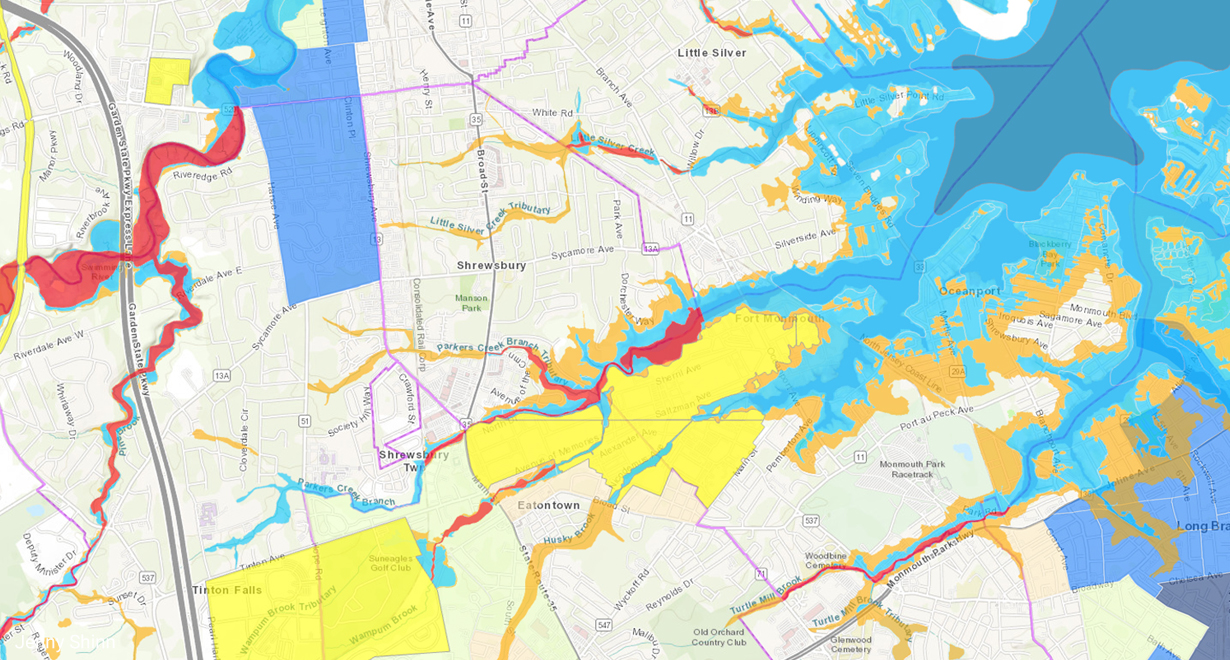
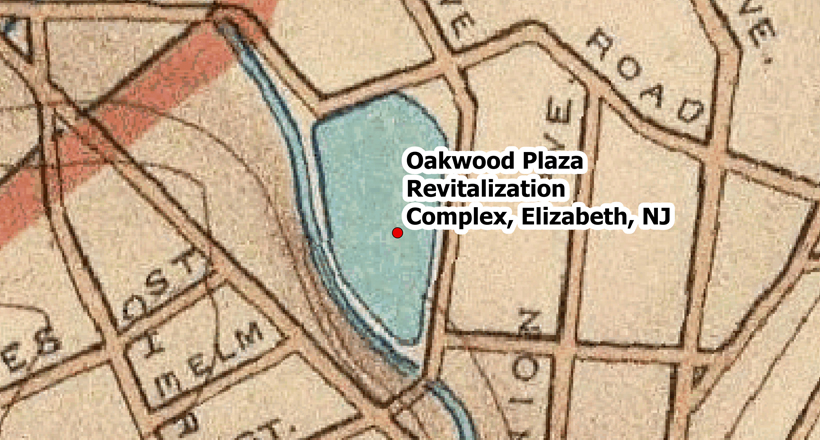
The New Jersey Municipal Land Use Law (MLUL) now requires municipalities to include a Climate Change-Related Hazard Vulnerability Assessment (CCRHVA) in the Land Use Element of their Master Plan. A CCRHVA must identify and analyze local climate hazards, vulnerable assets, infrastructure, and populations, impacts to Master Plan elements and other local plans, and potential strategies to reduce risk. A CCRHVA helps a municipality identify land use planning and zoning changes needed to increase resilience to climate change impacts.
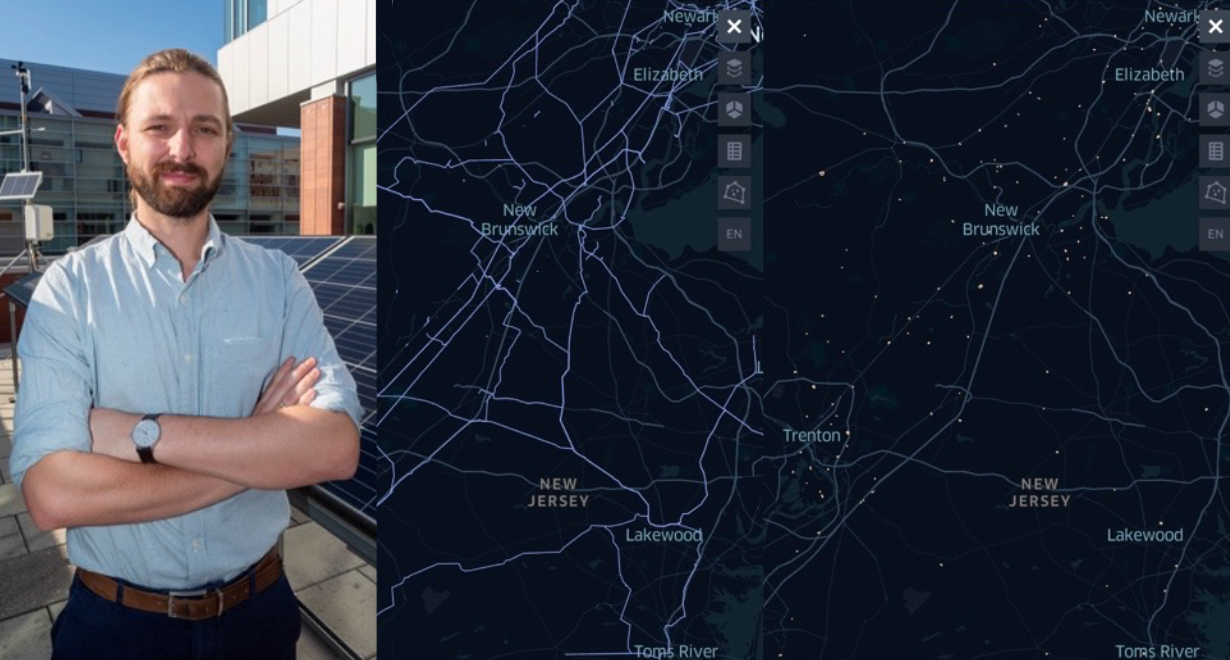
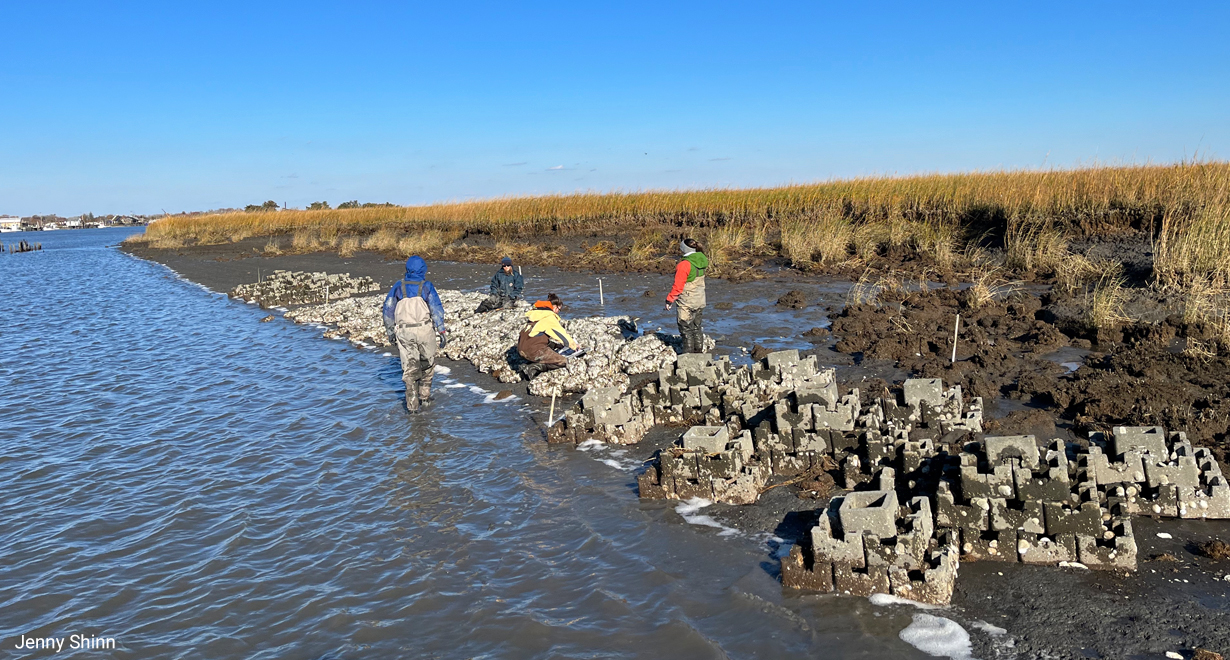
The New Jersey Climate Change Resource Center is collaborating with several NJ municipalities to develop CCRHVAs using the best available science and data. Rutgers’ interdisciplinary team, including researchers, data developers, communicators, and graduate students, is collecting and utilizing locally tailored data to identify climate hazards and assess vulnerabilities for each municipality in alignment with the MLUL requirements to allow adoption into the municipal Master Plan.