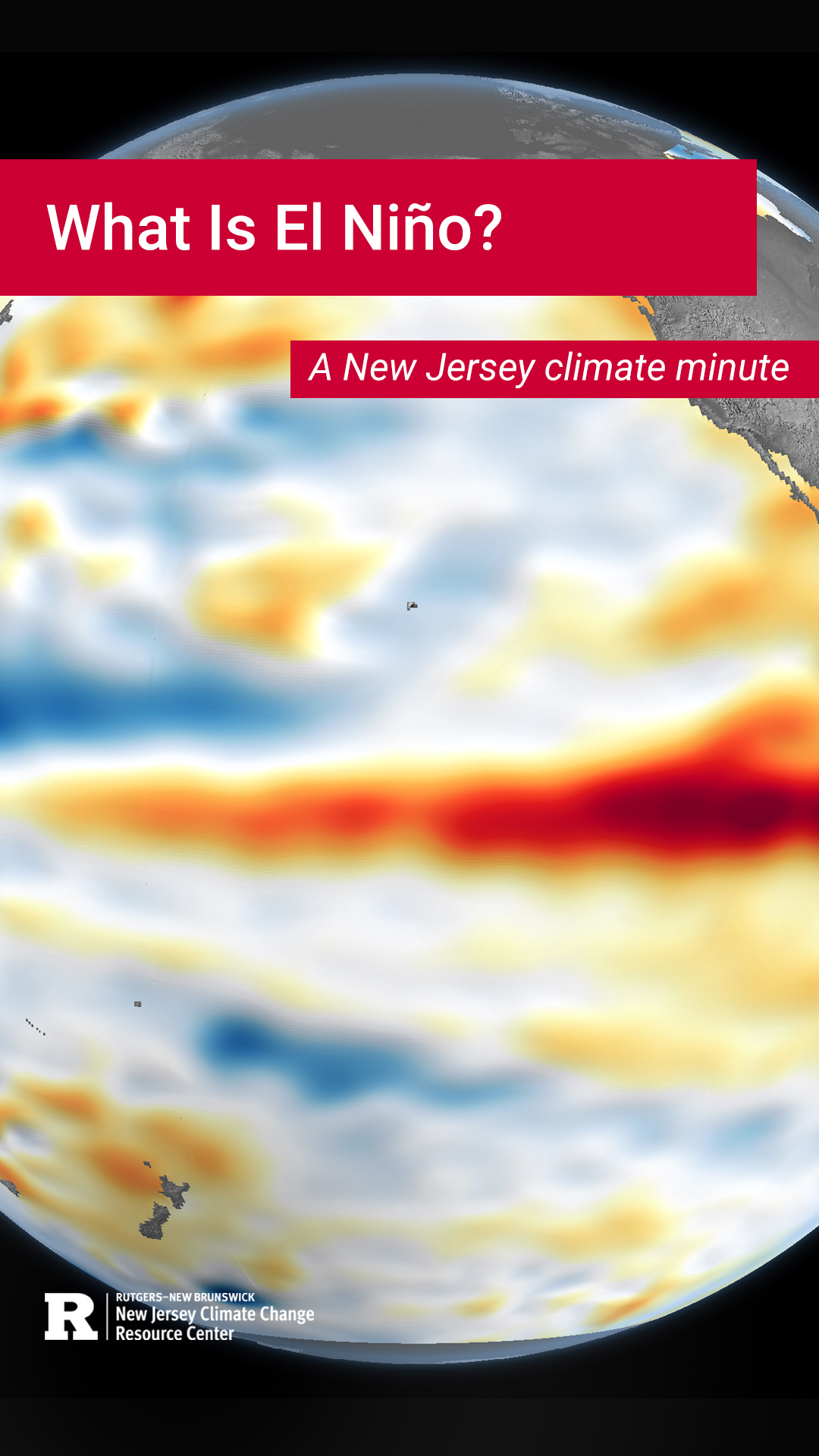
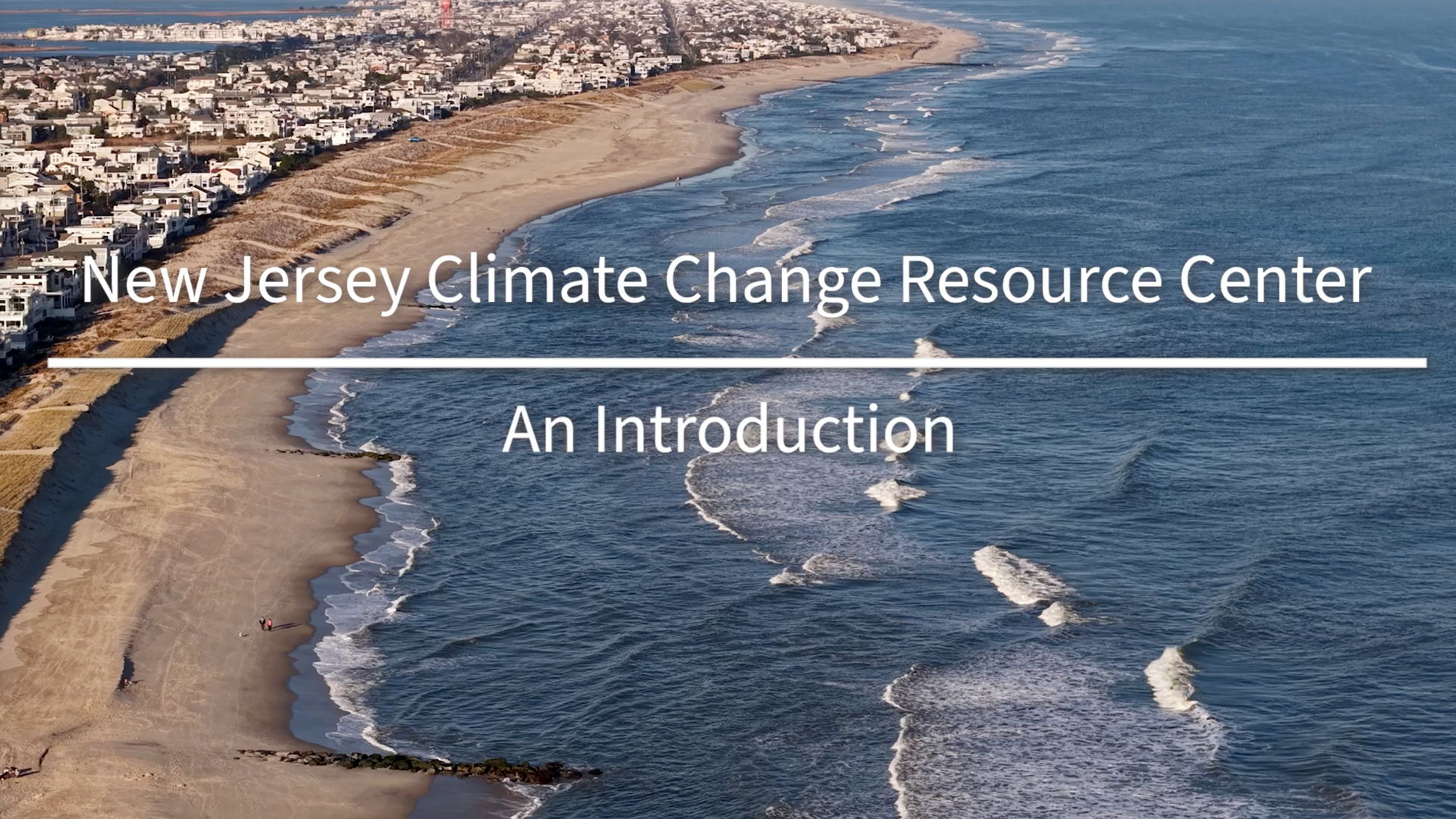
This video was produced by the New Jersey Climate Change Resource Center with support from the Rutgers University Institute of Earth, Ocean, and Atmospheric Sciences. This material is based upon work supported by the National Science Foundation under grant #1633557.
Rutgers Coastal Climate Risk and Resilience Initiative
Working with the NJDEP, NJ Office of Planning Advocacy, and NJ Office of Emergency Management, the Climate Change Resource Center has established a Climate Resilience Corps of graduate students trained in climate resilience planning. The Climate Resilience Corps is developing and applying protocols linked to data within Rutgers decision support tools to help municipalities with hazard mitigation and climate resilience planning; Plan Endorsement, and climate-related modifications to municipal master plans.
Students come from graduate programs in a wide range of disciplines, including natural sciences, engineering, community planning, and public policy, as well as fellows in the Rutgers Coastal Climate Risk and Resilience (C2R2) program.

More Climate Stories
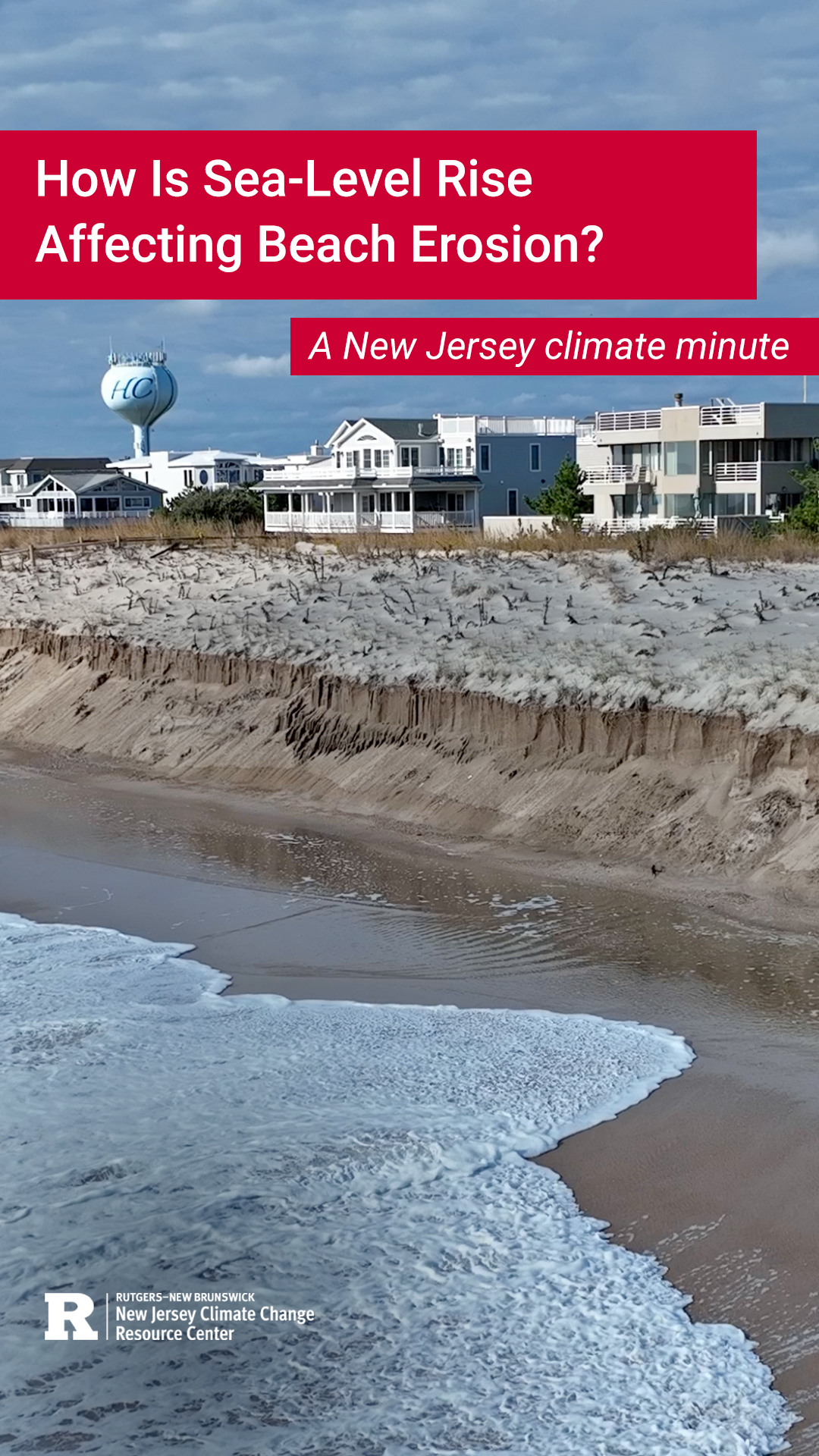
How Is Sea-Level Rise Affecting Beach Erosion?
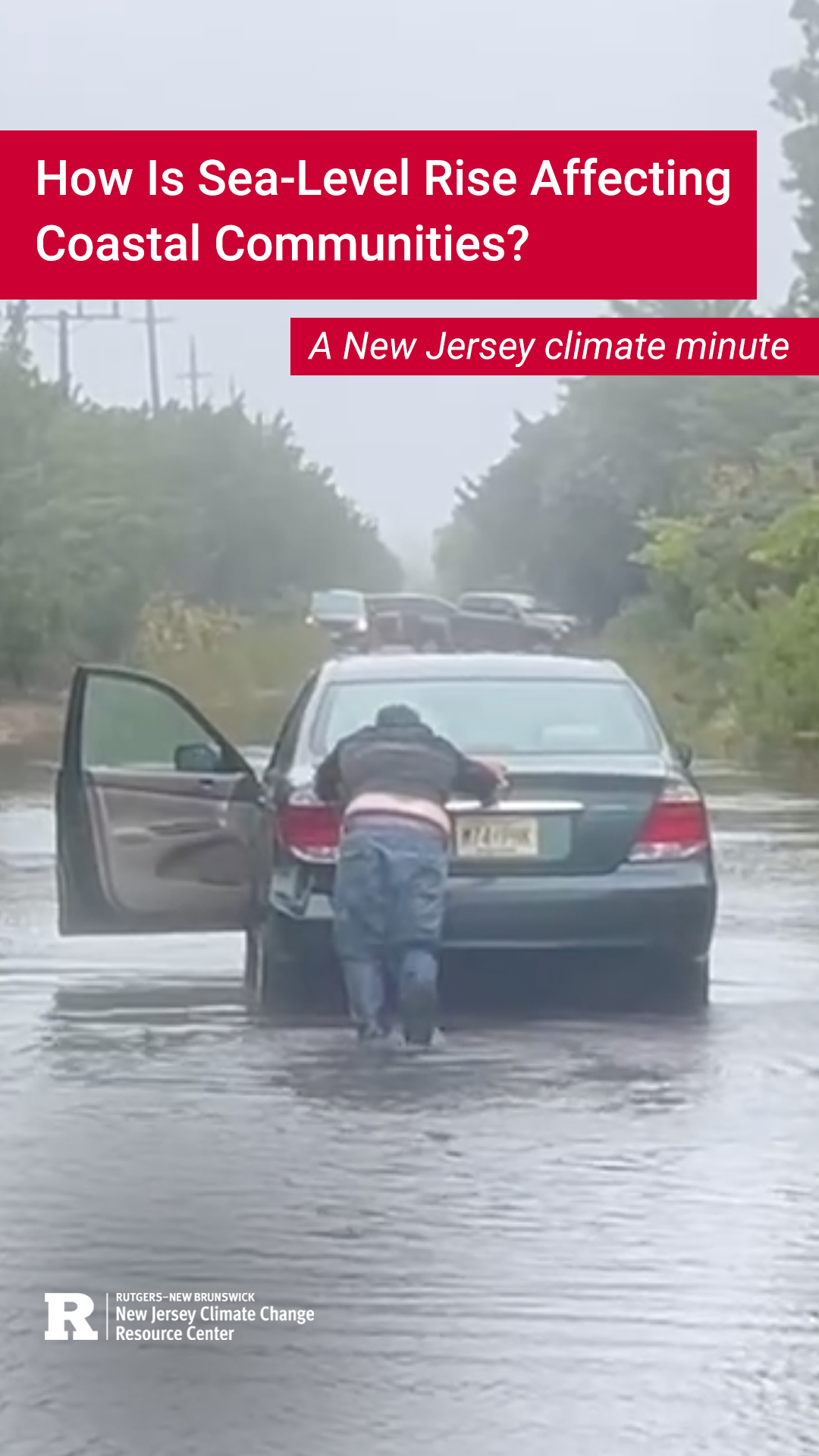
How Is Sea-Level Rise Affecting Coastal Communities?
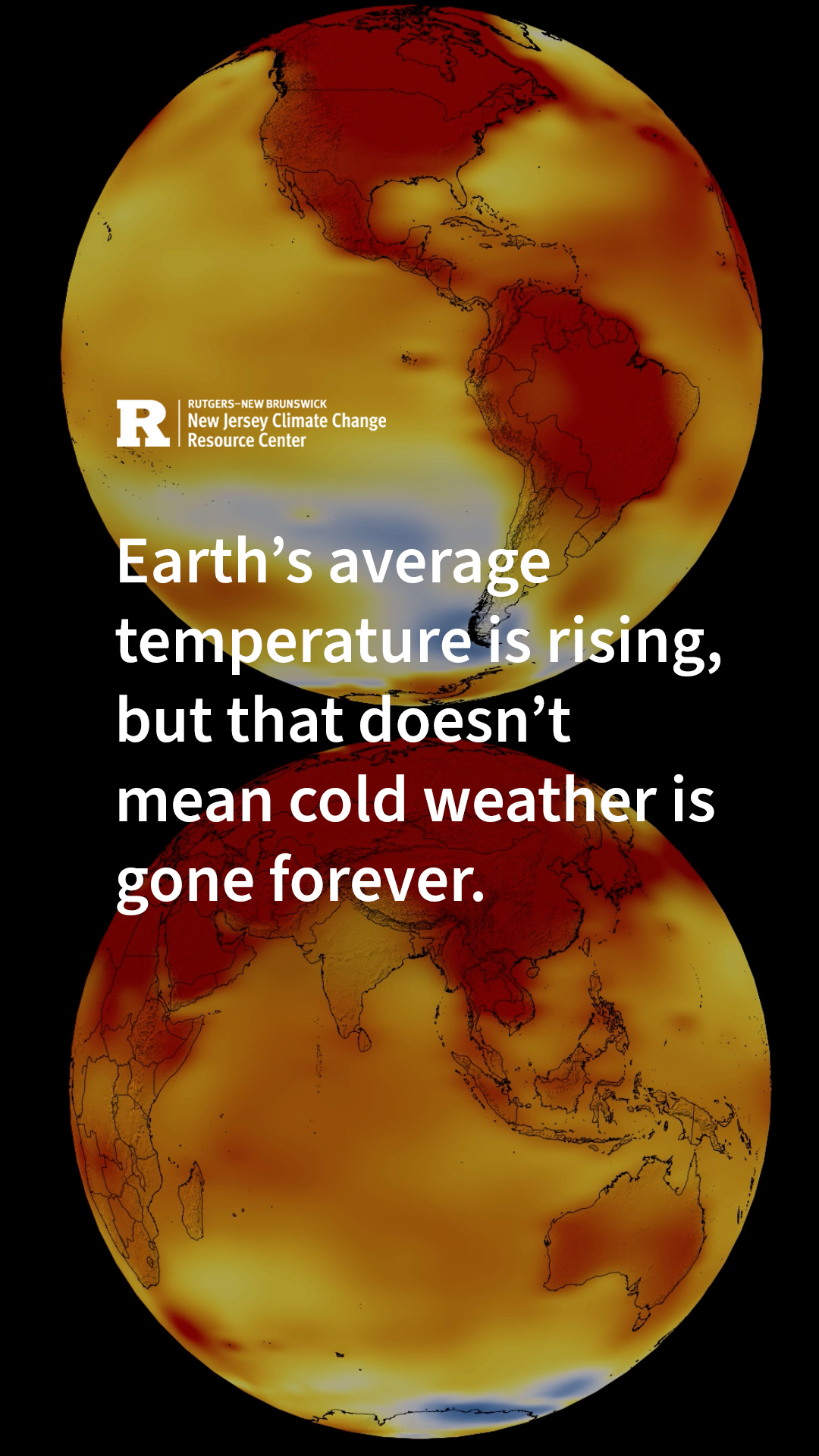
Earth’s average temperature is rising, but that doesn’t mean cold weather is gone forever
Why Is Sea Level Rising?
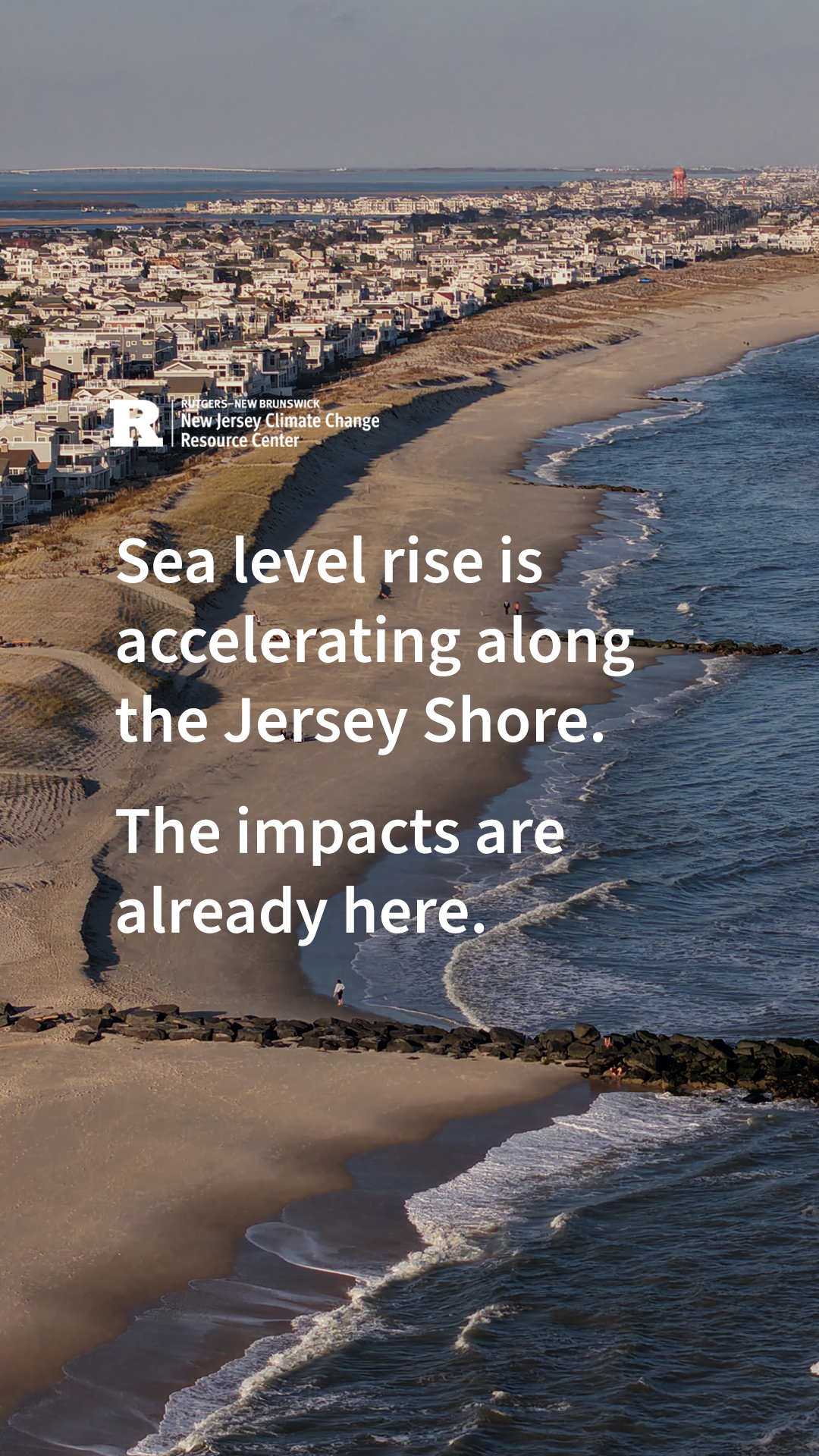
Sea-level rise is accelerating. The impacts are already here.
What Is Agrivoltaics?
Can Soil Be Part of the Climate Solution?
How Can Nature-Based Solutions Support Climate Action?
What Are Nature-Based Solutions?
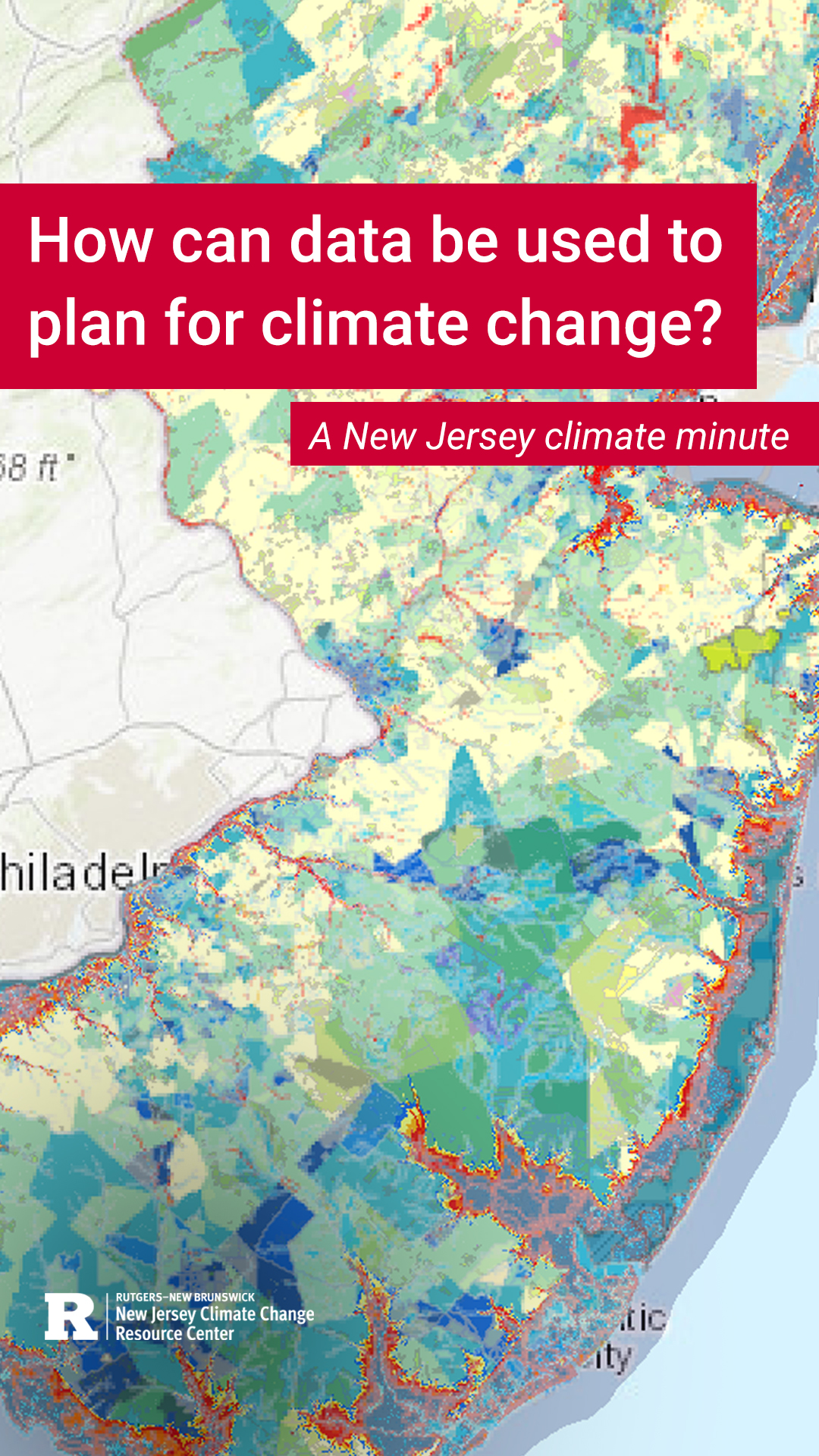
How Can Data Be Used to Plan for Climate Change?
If the Planet Is Warming, Why Is It So Cold?
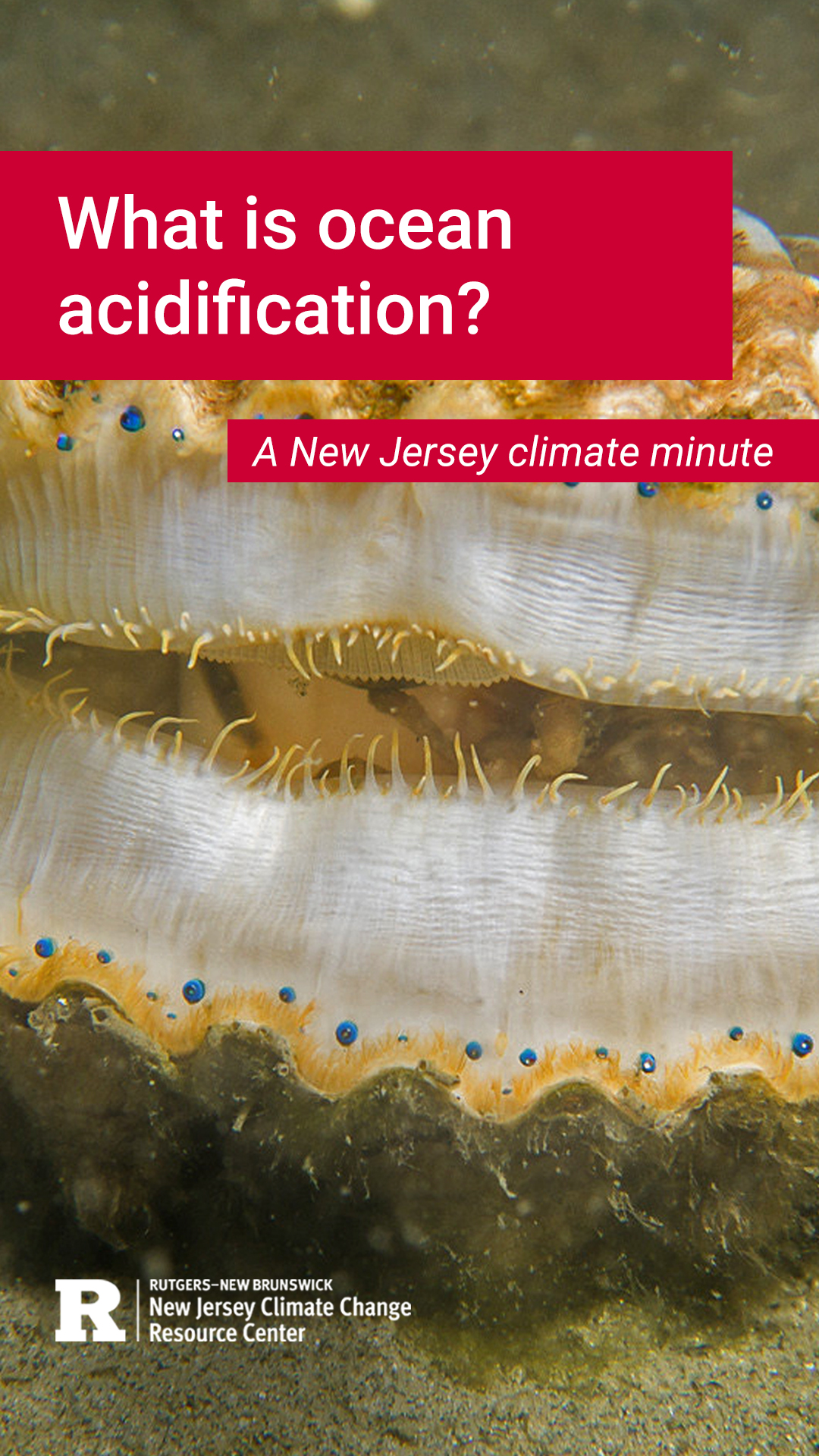
What Is Ocean Acidification?
How Is Climate Change Affecting Precipitation?
How Is Climate Change Affecting Hurricanes?
Why Is the Climate Changing?
Climate Change for Planning & Zoning Boards
Planning for Climate Change in Haddonfield, N.J.
Understanding Climate Risks in Elizabeth, N.J