Energy Burden in New Jersey
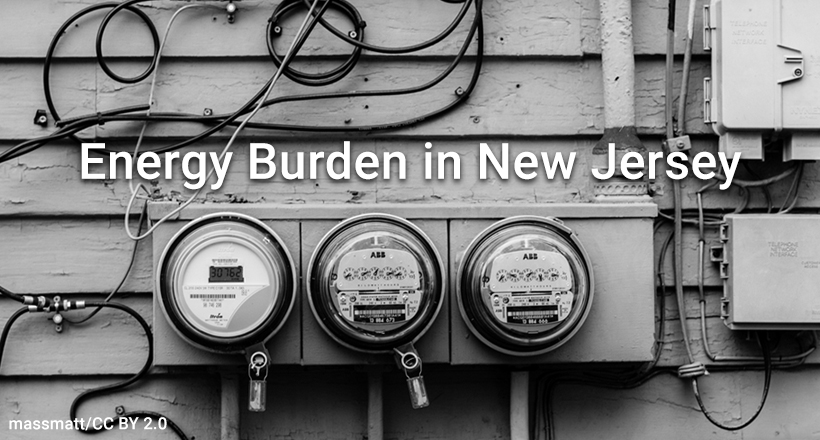
Energy Burden refers to the percentage of household income spent on energy utility costs, including heating, cooling, and electrical devices (but not transportation). A household is considered Energy Burdened when 6% or more of household income is spent on energy costs.
This storymap, created by Rutgers graduate student and Climate Corps member Jesse Lindenberg, is an investigation into the presence of Energy Burden within the state of New Jersey.

More Climate Stories
Climate Change for Planning & Zoning Boards
Planning for Climate Change in Haddonfield, N.J.
Understanding Climate Risks in Elizabeth, N.J
NJ Health and Medical Lifelines Flood Exposure Analysis
Historic Preservation and Climate Change
Energy Burden in New Jersey
Rutgers Coastal Climate Risk and Resilience Initiative
Climate Change: What’s at Stake for New Jersey?
How Can We Respond to Climate Change?
What Causes Sea Level Rise, and How Is It Affecting New Jersey’s Coastal Communities?
How Will Climate Change Impact Agriculture?
What Is Ocean Acidification and How Does It Affect Marine Life?
How Will Climate Change Affect NJ’s Transportation, Energy, and Communications Infrastructure?
How Will Climate Change Disproportionately Affect Low-Income Communities and Communities of Color?
What Are the Implications of Climate Change for Public Health?
New Jersey and Climate Change: Impacts and Responses
Climate Change and the Jersey Shore
Climate Change and Public Health
Climate Change and Agriculture in the Garden State