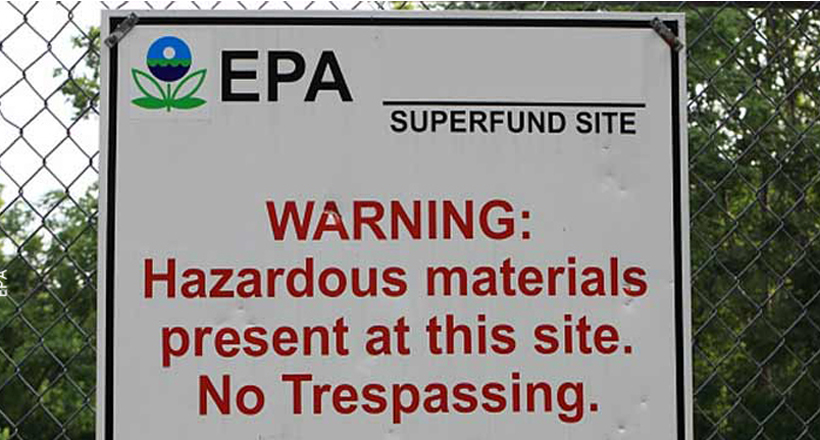
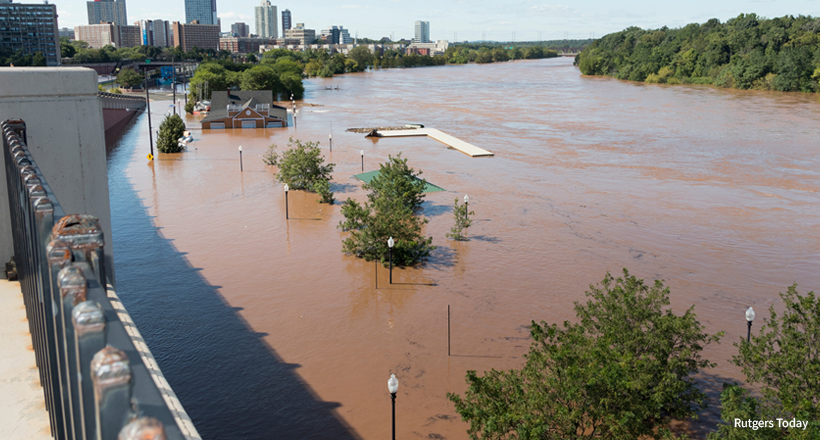
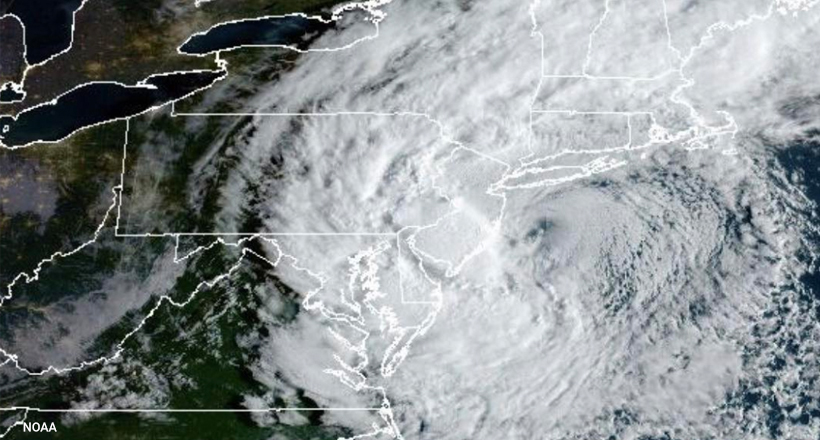
SEBS and NJAES NEWSROOM – Over a thousand contaminated sites across the U.S. are so dangerous to people and the environment that they’ve been put on the federal Superfund list. These sites often sit near rivers, coasts, or in wildfire-prone areas. As climate change brings more flooding, stronger hurricanes, and more frequent wildfires, these old industrial sites could pose even greater risks if such natural disasters spread toxic chemicals into surrounding neighborhoods.
Hilary Sigman, an affiliate of the Rutgers Climate and Energy Institute and professor in the Department of Economics, is the author of a new study published in Land Economics. The full study can be found here.
This study asked, is the U.S. Environmental Protection Agency (EPA) adapting its cleanup decisions at these sites to address these rising climate risks? More permanent cleanups, like removing or treating contaminated soil, cost more but better protect communities in the long term. Cheaper methods, like simply covering the pollution with caps or walls, can fail if storms, floods, or fires damage them.
The study reviewed more than 1,400 EPA cleanup decisions between 1980 and 2017. It looked closely at whether sites facing higher climate-related risks were more likely to get stronger, more permanent cleanups. The results showed only limited evidence of adaptation. For example, EPA was slightly less likely to choose “no action” at sites in flood zones, meaning they put some physical safeguards in place. But overall, sites at risk from floods, hurricanes, or wildfires were not much more likely to receive the most protective remedies.
This matters because climate change is expected to make extreme weather more frequent and severe. If cleanups don’t plan ahead for this, pollution could leak into water, soil, and air, harming human health and wildlife and causing long-term economic damage to local communities.
The study also found that federal and state policies calling for adaptation to climate change have so far had little effect on how cleanups are chosen. This finding suggests there’s a need for stronger rules and clearer guidance as governments seek to ensure climate risks are fully considered when deciding how to clean up toxic sites.
“By doing more to recognize and respond to the risks that climate change poses to these sites, we can better protect communities,” said Sigman.
Research like this helps policymakers and local governments see gaps in current approaches and offers evidence to support changes that could make Superfund sites safer and more resilient in a changing climate.
In a state like New Jersey — which not only has the most Superfund sites in the country but also by far the most sites exposed to flood risk — this study is especially valuable for guiding local decisions and strengthening plans to protect communities from future climate threats.
This article was written with assistance from Artificial Intelligence, was reviewed and edited by Oliver Stringham, and was reviewed and edited by Hilary Sigman, the author of the study.