
New Jersey Climate News
News Aggregation from the NJ Climate Change Resource Center
Research
Will melting glaciers slow climate change? A prevailing theory is on shaky ground
In Antarctica, Rutgers marine scientists find evidence to challenge a key assumption about iron availability, an essential micronutrient in the process of carbon dioxide removal
GREG BRUNO / RUTGERS TODAY – For scientists who study the Southern Ocean, a long-standing silver lining in the gloomy forecast of climate change has been the theory of iron fertilization. As temperatures rise and glaciers in Antarctica melt, ice-trapped iron would feed blooms of microscopic algae, pulling heat-trapping carbon dioxide from the atmosphere as they grow.
There’s just one problem: The theory doesn’t hold water.
In what researchers describe as the most accurate measurement of iron inputs from a glacier in Antarctica, marine scientists from Rutgers University-New Brunswick have discovered that meltwater from an Antarctic ice shelf supplies far less iron to surrounding waters than once thought.
The findings, published in the journal Communications Earth and Environment, raise questions about the sources of iron in the Southern Ocean near Antarctica, and could significantly alter how climate change predictions are forecasted and modeled, the researchers said …
SUBSCRIBE
Get the latest updates from the NJ Climate Change Resource Center
SHARE THIS PAGE
LATEST HEADLINES

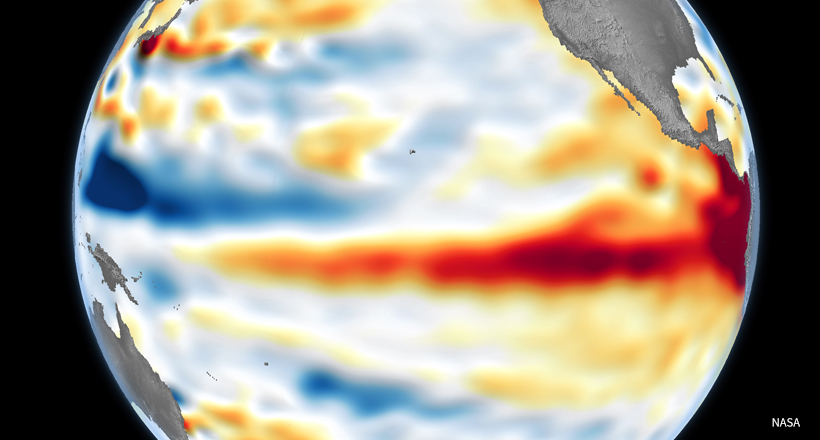
World’s oceans hit highest temperature on record as El Niño grows
MARK POYNTING / BBC
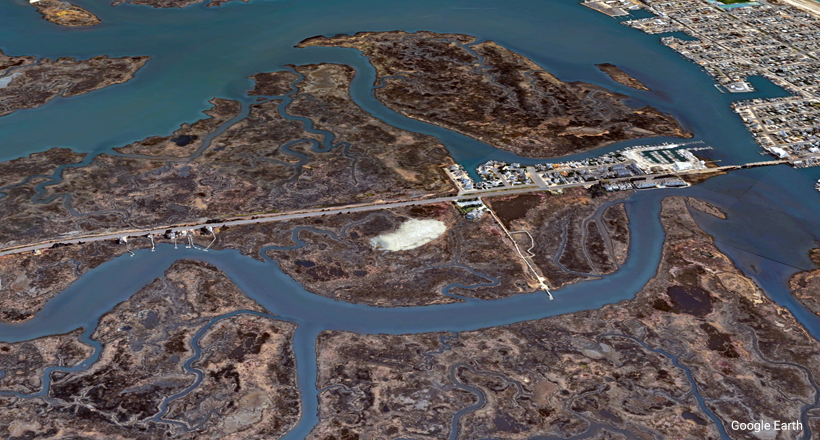
As seas rise, scientists race to save coastal marshes from drowning
MADELINE SHAW / INSIDE CLIMATE NEWS


Offshore wind will struggle long after Trump’s attacks
AJANI STELLA / INSIDE CLIMATE NEWS